The Best Marble Types Used in Classical Sculpture Today
Marble has been a cornerstone of classical sculpture for millennia, prized for its luminous surface, fine grain, and ability to hold intricate detail. While ancient masters like Praxiteles and Michelangelo worked with specific quarries, contemporary sculptors continue to select from a range of marble types, each offering distinct visual and structural properties. Understanding these materials is essential for artists and collectors alike, as the choice of stone influences everything from carving techniques to the final aesthetic and longevity of the piece.
The selection process involves evaluating factors such as hardness, veining, color consistency, and response to light. Different marble varieties also carry unique historical and cultural associations, which can add conceptual depth to a sculpture. For those working in the classical tradition today, the availability and quality of certain marbles remain central to their practice, though modern quarrying and transportation methods have expanded access to stones from around the world.
This article explores the most commonly used marble types in contemporary classical sculpture, their geological origins, working characteristics, and the ways they shape artistic outcomes. By examining these materials in detail, we aim to provide a clearer understanding of why certain marbles endure as favorites among sculptors today.
The Defining Qualities of Sculptural Marble
Marble is a metamorphic rock formed from limestone under heat and pressure, resulting in a dense, crystalline structure. For sculptors, the most important attributes include grain size, porosity, and the presence of impurities that create color variations. Fine-grained marbles, such as those from Carrara, allow for precise chiseling and smooth finishing, while coarser grains can limit detail but offer interesting textural effects.
Durability is another key consideration. Marble is relatively soft compared to granite, making it easier to carve, but it is also susceptible to weathering and chemical erosion. Indoor sculptures can tolerate more delicate varieties, while outdoor works require stones with lower porosity and greater resistance to freeze-thaw cycles. Translucency is also valued, as light penetrates the surface slightly, giving the stone a warm, lifelike glow—a quality especially prized in figurative work.
Modern sculptors often test samples for consistency, as natural stone can contain hidden fissures, veins, or soft spots that may compromise the work. Understanding these variables is part of the preparatory process, and quarries typically provide detailed geological reports to assist in material selection.
Carrara Marble: The Classic Choice
Carrara marble, quarried in the Apuan Alps of Tuscany, Italy, has been a primary material for sculpture since Roman times. Its fine grain, uniform white or light gray color, and moderate hardness make it suitable for both large monuments and delicate details. Contemporary sculptors frequently choose Carrara for its predictability and ease of carving.
The most common grades include Bianco Carrara, which ranges from pure white to light gray, and Statuario, a rarer variety known for its bright white background and subtle, often dramatic veining. Statuario is particularly favored for portrait busts and figurative works because its translucency enhances skin-like tones. However, it is more expensive and requires careful handling to avoid breaking along veins.
Carrara marble’s durability is moderate; it performs well indoors but may develop surface erosion when exposed to acidic rain or extreme temperature changes. For outdoor sculptures, artists often apply protective sealants or select more resistant alternatives. Despite these limitations, Carrara remains the most widely used marble in contemporary classical sculpture due to its historical prestige and consistent quality.
Pentelic and Parian Marbles: Greek Traditions
Pentelic marble, sourced from Mount Pentelicus near Athens, Greece, is renowned for its pure white color and fine, even grain. It was the stone of choice for the Parthenon and many classical Greek sculptures. Its slight golden patina when freshly quarried, which weathers to brilliant white, makes it appealing for works intended to evoke antiquity.
Sculptors value Pentelic marble for its strength and resistance to cracking. It contains small amounts of iron that contribute to its warm tone, and it polishes to a high luster. However, its hardness is greater than Carrara’s, requiring more effort during carving and less forgiving for very fine details. It is often used for larger-scale works where durability is crucial.
Parian marble, from the island of Paros, is another classic Greek stone, famous for its exceptional translucency and fine crystalline structure. Ancient sculptors used it for many of the most celebrated Hellenistic pieces. Today, it is rarer and more expensive, typically reserved for small, high-end sculptures or those seeking a historically authentic material. Parian marble’s softness allows for delicate undercutting, but it weathers more easily than Pentelic, limiting its outdoor applications.
Calacatta and Other Italian Varieties
Calacatta marble, also from the Carrara region, is distinguished by its bold, dramatic veining and bright white background. While often used in architecture and design, it appeals to sculptors who wish to incorporate natural patterns into the composition. The veins can be challenging to work around, as they may represent zones of weakness, but skilled carvers sometimes integrate them into the design.
Other Italian marbles include Bardiglio, a gray stone with subtle variations, and Arabescato, which features ornate veining. These are less common in figurative sculpture but may be chosen for abstract or contemporary classical works where color contrast adds visual interest. The working properties vary: Bardiglio is denser and harder, while Arabescato is similar to Carrara in carving ease.
Italian quarries maintain rigorous extraction and grading standards, ensuring consistent blocks for artists. Many sculptors develop long-term relationships with specific quarries to secure the highest quality material, often visiting in person to select individual blocks—a practice that underscores the importance of direct engagement with the source.
Other Notable Marbles from Around the World
Beyond Italy and Greece, several other marble types have gained favor among contemporary sculptors. Vermont marble from the United States, particularly the Danby variety, is prized for its pure white color and low porosity, making it suitable for outdoor installations. Its fine grain allows for detailed carving, and it has been used in national monuments such as the Lincoln Memorial.
Spanish marble, such as Crema Marfil or Marrón Imperial, offers warm beige and brown tones, though these are less conventional for classical white sculpture. Some artists intentionally choose colored marbles to convey specific themes or to create contrast in mixed-media pieces. Chinese marble, including the widely used White Jade, is often more affordable and available in large blocks, though quality control can be less uniform.
Marble from Turkey, such as Afyon white, is increasingly popular due to its similarity to Carrara and lower cost. Turkish quarries have invested in modern extraction and polishing technologies, producing consistent material for export. However, sculptors note that some Turkish varieties may be softer and more porous, requiring careful assessment for long-term durability. Each source brings its own geological signature, and the global market now offers a broader palette than ever before.
How Marble Type Influences Artistic Technique and Final Appearance
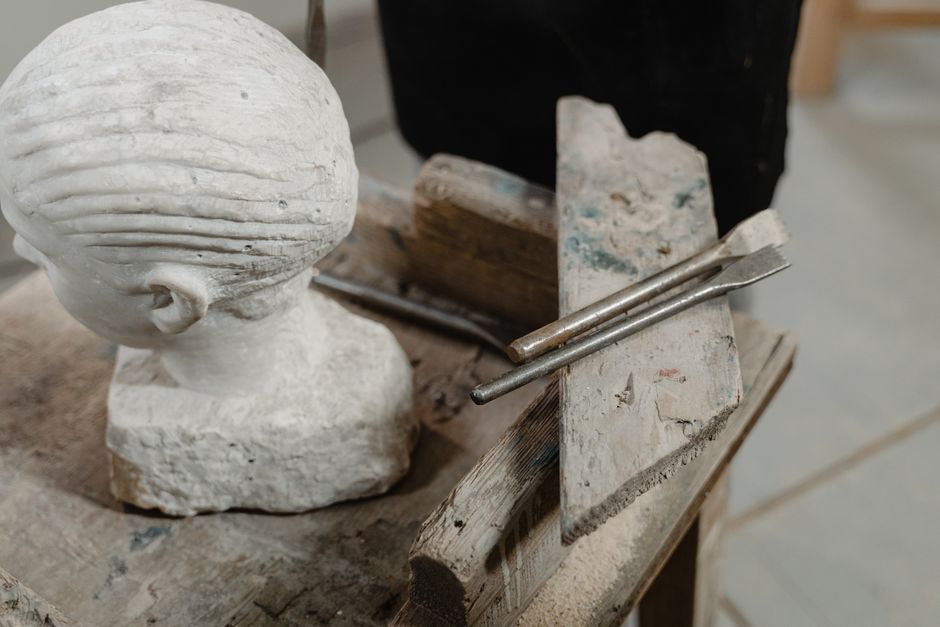
The choice of marble directly affects the sculptor’s approach. For example, fine-grained stones like Carrara and Parian allow the use of traditional hand chisels and rasps to achieve smooth surfaces and sharp edges. Coarser or harder stones may require power tools or pneumatic hammers, which can alter the rhythm and precision of the carving process. The presence of veins or inclusions demands strategic planning to avoid fractures, and some artists deliberately introduce these natural features as part of the narrative.
Finishing techniques also vary with stone type. Some marbles polish to a high gloss, while others take a matte or satin finish. Certain sculptors leave tool marks visible to emphasize the handcrafted nature of the work, while others seek a perfectly smooth surface that maximizes light reflection. The interplay of light and shadow on the stone’s surface is a critical aesthetic consideration, and different marbles respond differently to lighting conditions.
Ultimately, the marble selected becomes a partner in the creative process. Its limitations and possibilities shape the work, and the sculptor’s familiarity with the material determines how successfully those qualities are harnessed. While no single marble is universally best, the enduring popularity of certain types reflects a deep alignment between their physical properties and the goals of classical sculpture.